
Remembering Sophie Kinsella
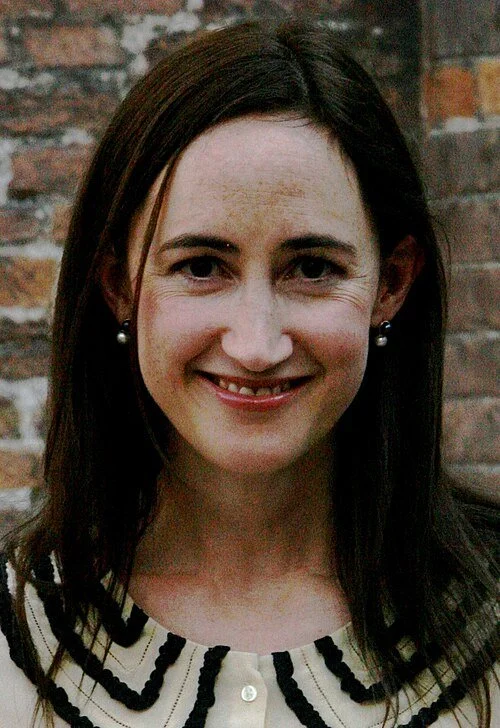
I was heartbroken to learn about author Sophie Kinsella's death last month at the age of 55, due to glioblastoma, an aggressive brain cancer. The news surprised me and stayed on my mind throughout the holidays, not just because I admired Kinsella’s work, but because it forced me to confront assumptions I’d made about success, privilege, and what we think a “charmed life” looks like from the outside.
I started reading Kinsella's work when she was publishing under her real name, Madeleine (Sophie) Wickham, in the early 2000s, when "chick lit" was having its moment. During a time when many of us young college women were forced to study some of the depressing works written by stuffy old white men, she really gave us something fun, different, and hopeful to read. Most people know Kinsella as the author of the bestselling Shopaholic book series, which inspired the movie starring Isla Fisher, now on Netflix. Last summer, I read Kinsella’s newest book about work overload, titled The Burnout, and dreamed of my novel Girl, Unemployed being a contemporary.
Over the years, I’d looked up Kinsella’s background and always thought, gosh, what a charmed life. She was a very intelligent individual, which I attributed to her affluent background: she was educated in private schools during her upbringing and then attended one of the world's top universities, Oxford. Then she became a financial journalist, wife and mother to five children, and a novelist, penning over thirty books.
As a result—and due to my own jealousy—I thought about how we could all write thirty books if we all had the wealth, affluence, and access. I often thought things like, how much easier could conquering your dreams be if you could get up in the morning and focus on them because you didn’t have to worry about how to pay the rent, student loans, medical bills, and credit card debt? If you didn’t have to worry about the grocery bill, savings, a flat tire, or whether you would ever have anything left over to contribute to wistful goals like a 401K, Roth IRA, or even a Money Market account?
However, all these unproductive thoughts serve as distractions. They are the bitter, resentful thoughts that can grow out of loving someone else’s journey so much that we wish it were our own. Loving someone else’s journey so much that we forfeit our own by dwelling on the “what ifs” and “how comes.” Such negative thoughts lead to crippling frustration and doubt. They damage our souls, and if left unchecked for too long, threaten to ruin the very reason why we’re here. How sad I chose to focus on Kinsella’s wealth and privilege instead of acknowledging how all her talent, hard work, and discipline became the real recipe for her success. The real lesson that could lead to my own.
The way in which Kinsella died is an irony that is not lost on me. I spent time dwelling on her wealth and brilliance born from an elite education, and yet none of that spared her from dying from brain cancer much too young. Her talents, work ethic, and inspiring books will live on, but her life journey also teaches another lesson.
We all have a reason for being. We all have a purpose, and we’re all here to do something important with that purpose. The longer we focus on who had a head start, and how, and why, and when, the longer it takes for us to get to our own finish line because we’re stopping to point at everyone else instead of focusing on ourselves.
